
The allure of risk and uncertainty
The appeal of gambling stems largely from the human fascination with risk and uncertainty. Engaging in gambling activities provides a thrilling experience, as players embrace the unknown outcomes that are inherent in these games. In fact, many enthusiasts often seek out games where they can enjoy experiences such as $20 neosurf casino australia real money to enhance their excitement. This element of unpredictability engages our emotions, often leading to heightened feelings of excitement. The adrenaline rush associated with placing a bet or making a play is not just a fleeting sensation; it can evoke a surge of joy that lingers even after the game concludes. This craving for uncertainty taps into our innate desire for thrill, making every round of play an adventure.
Moreover, many people find themselves drawn to gambling because it amplifies the natural tendencies of the brain towards risk-taking behavior. Neurotransmitters like dopamine are released when individuals experience the thrill of winning, which can create a cycle of reinforcement. This biochemical reaction encourages players to seek out further opportunities to gamble, often leading to repeated engagement. For many, it becomes less about the monetary outcome and more about the exhilaration of the experience itself. The anticipation of a win can cloud judgment, prompting players to chase losses or indulge in riskier bets in hopes of recapturing that initial high.
In addition to the thrill, there is also a psychological factor connected to the idea of control. Many gamblers believe they can influence the outcome through skill or strategy, despite the fact that many games are based on chance. This illusion of control enhances the gambling experience and keeps players returning, as they feel their decisions can lead to favorable outcomes. By rationalizing losses or attributing wins to their skill, players become further entrenched in the gambling environment. This cognitive bias can lead to dangerous patterns, as the line between recreational play and compulsive behavior blurs, intensifying the allure of gambling.
The role of social interaction in gambling
Gambling is not just an isolated activity; it often brings people together, fostering social connections and camaraderie. Many individuals enjoy participating in gambling as a social event, whether it be at a casino, poker night with friends, or even online gaming platforms. These interactions enhance the enjoyment of gambling and provide a sense of belonging among peers. The communal aspect adds layers of excitement, as players share in each other’s experiences, celebrate wins, and console losses together. The social buzz surrounding gambling events can create an infectious atmosphere that amplifies the thrill of the game.
Furthermore, the social environment surrounding gambling can lead to a sense of competition, which can be both motivating and enjoyable. Friendly rivalries emerge, encouraging players to test their skills against one another. This dynamic can heighten the thrill of the game, as individuals feel the pressure to perform well, not just for personal gain but also for the social repercussions. The interaction between players can transform gambling from a solitary pursuit into an exhilarating team effort. However, amidst the fun, it’s crucial for individuals to remain aware of how peer pressure can lead to riskier behaviors, potentially escalating gambling habits.
However, it’s crucial to recognize that the social aspect of gambling can also have negative consequences. Peer influence can lead individuals to gamble more frequently or take greater risks than they may have otherwise chosen. In some cases, the desire to fit in or be part of a group can glorify excessive gambling, leading to harmful habits. Balancing the social elements of gambling with responsible practices is vital for maintaining a healthy relationship with the activity. Establishing boundaries and being mindful of one’s limits can help players enjoy the social aspects of gambling while avoiding the pitfalls that can accompany it.
Psychological rewards and addiction
The pursuit of psychological rewards plays a significant role in why individuals are drawn to gambling. Beyond financial gain, the experience often offers a reprieve from daily stressors and challenges. Many gamblers turn to these activities as a form of escapism, finding solace in the vibrant atmosphere of casinos and the exhilaration of the games. This escape can be a powerful motivator, providing a temporary break from reality that reinforces the desire to return. The allure of winning can create a compelling narrative in the mind of the player, blurring the lines between entertainment and dependency.
However, as the gambling experience becomes intertwined with emotional relief, the potential for addiction increases. Some individuals may find themselves developing a gambling addiction, where the psychological rewards overshadow the negative impacts. The chase of a win can lead to repeated losses, creating a vicious cycle that can be difficult to break. Understanding the psychological processes at play is essential for both gamblers and those who support them in recognizing when the pursuit of gambling has gone too far. Those caught in this cycle often experience heightened stress and anxiety, further complicating their emotional landscape.
Psychological support for those struggling with gambling addictions often focuses on addressing these underlying emotional triggers. Therapy and support groups can provide a safe space to explore the reasons why individuals gamble and how to develop healthier coping mechanisms. By unpacking the psychological rewards associated with gambling, individuals can work towards reclaiming control over their lives and making more informed decisions regarding their gambling habits. Recognizing when gambling shifts from a source of fun to a source of distress is crucial for recovery.
The impact of marketing and environment
The environment in which gambling occurs greatly influences players’ decisions and behaviors. Casinos and gambling platforms are often designed to create an immersive experience, employing strategies that keep players engaged for longer periods. This includes appealing decor, ambient lighting, and even the sounds associated with winning—all of which serve to heighten the thrill and draw players in. The carefully curated atmosphere is not merely for aesthetics; it plays a psychological role in enhancing the gambling experience. By creating a stimulating environment, these venues can manipulate emotions and encourage prolonged engagement.
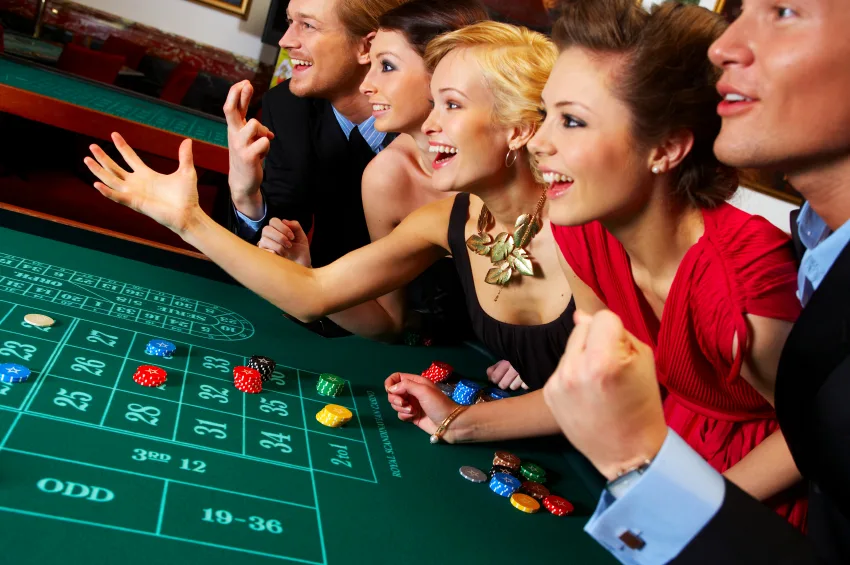
Additionally, marketing strategies employed by gambling establishments aim to attract a wide demographic of players, further amplifying their allure. Promotional offers, loyalty programs, and the promise of exclusive experiences entice individuals to try their luck. This marketing taps into emotions, using persuasive language and imagery to create an irresistible narrative around gambling. The result is an environment where individuals feel compelled to engage, sometimes without fully recognizing the potential risks involved. Such marketing tactics can create an illusion of excitement and ease, promoting gambling as a carefree activity rather than a potentially perilous one.
It’s essential for consumers to remain aware of how these tactics can shape their perceptions of gambling. Being informed about the psychology behind marketing can help individuals make more conscious decisions and understand the influences that may drive them toward gambling. Recognizing the interplay between marketing, environment, and psychological responses can empower players to engage responsibly and maintain a healthy approach to gambling. Awareness of these manipulative tactics can serve as a protective factor, enabling individuals to navigate their gambling choices with greater discernment.
Understanding gambling behavior and responsible gaming
Understanding the psychology behind gambling behavior is crucial for fostering responsible gaming practices. Knowledge of why individuals are drawn to these activities allows for the implementation of measures designed to mitigate the risks associated with gambling. Awareness campaigns and educational programs can highlight the importance of setting limits, recognizing signs of addiction, and seeking help when necessary. An informed gambler is better equipped to make choices that prioritize their well-being. This understanding can also facilitate discussions about gambling in communities, encouraging a culture of openness and support.
Furthermore, responsible gaming initiatives are essential in promoting a balanced perspective on gambling. This includes encouraging players to view gambling as a form of entertainment rather than a means of income. Establishments that prioritize responsible gaming often provide resources, such as self-assessment tools and access to support services, making it easier for individuals to seek help if needed. By fostering a culture of responsible gambling, the industry can work towards minimizing harm while still allowing people to enjoy the social and recreational benefits of gaming. This proactive approach can help create a safer environment for all players.
Educating the public about the psychology of gambling not only benefits players but also the wider community. As awareness grows, so does the potential for reducing stigma around gambling-related issues, creating an environment where individuals feel safe to discuss their experiences and seek support. This collective understanding can lead to a more responsible and informed approach to gambling, ultimately benefiting everyone involved. By fostering a community that values education and support, we can pave the way for healthier gambling habits and a more informed public discourse on the topic.